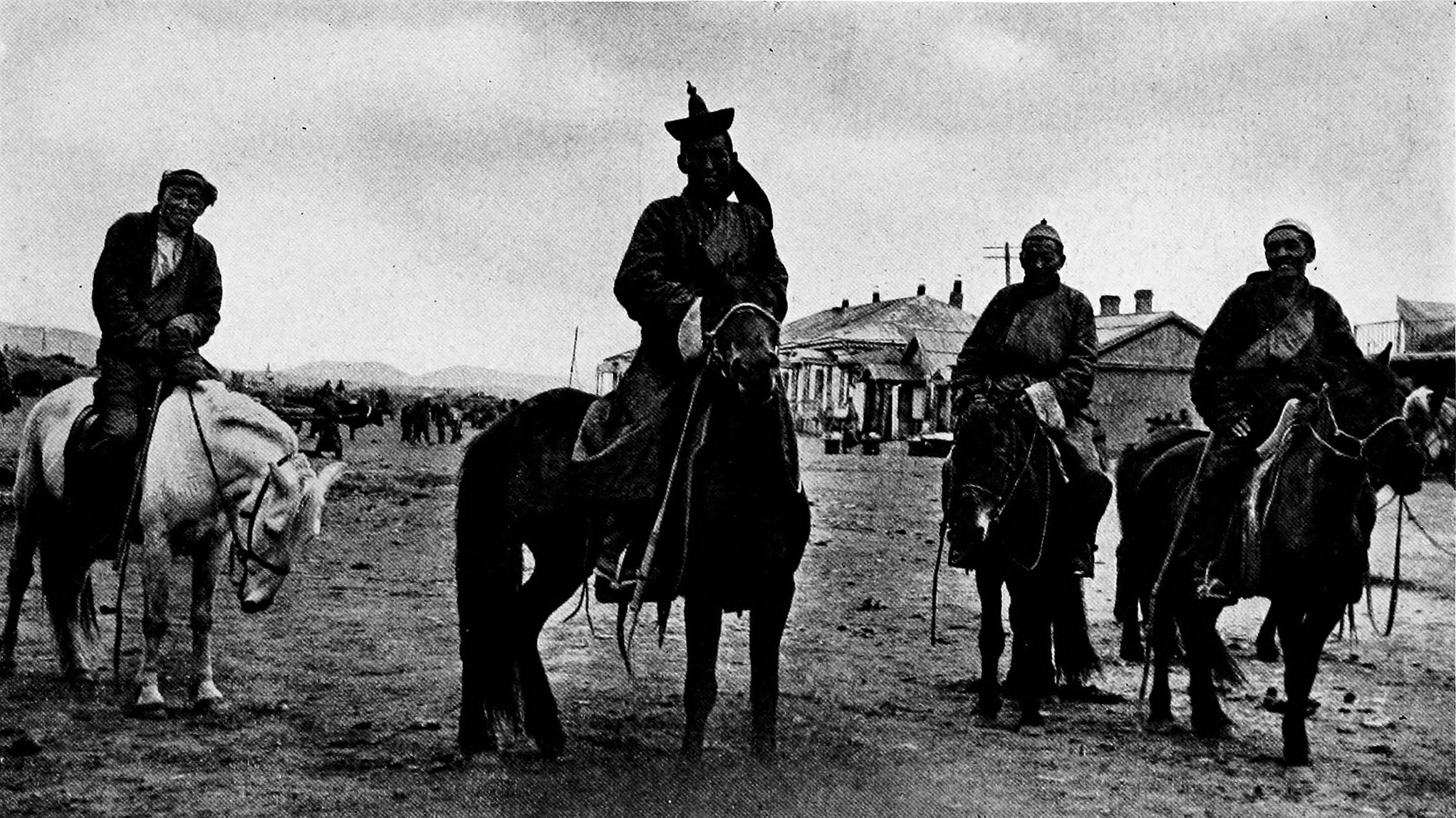
The various world empires have their claims to fame. The Romans, for example, were famous for their engineering prowess; some of their aqueducts and buildings still stand hundreds of years later. The Mongols were extraordinary horsemen who also developed an early postal system that enabled rapid communication.
How did it develop?
Genghis Khan (1162 – 1227), the founder and first emperor of the Mongol Empire, ordered the establishment of the Ortoo or Yam postal/relay system around 1200. He needed a quick way to communicate with people in his empire, which became the largest terrestrial empire in history. At its largest, the Mongol Empire encompassed 12 million square miles.
Genghis Khan ordered the erection of relay stations that were about 20 to 30 miles apart. There were eventually 1400 relay stations in China alone. The Yam postal system also boasted 50,000 horses, 6700 mules, 1400 oxen, 6,000 boats, and 400 carts.
What was it like?
Each relay station had a large central building with several smaller buildings and corrals for the horses and other animals. A weary messenger would find hot food and lodging at the station. He would also be able to pass his message to another messenger or get new supplies and a fresh horse and continue on his way. The Yam system enabled messengers to travel 120 to 190 miles in a day.
Because of its importance to the Empire, the postal system was regulated by the Yassa or Mongol law code. The Yassa gave the messengers and operators of the relay stations various rights and privileges. Diplomats and other government officials who were traveling on official business carried special coins or medallions called paiza which granted them safe conduct within the empire. Having a paiza also entitled the bearer to free services from the relay station. Merchants also used the Yam, but they had to pay for their services.
The Yam system greatly impressed foreign visitors. Marco Polo (1254- 1324), who traveled along the Silk Road in Asia for nearly 25 years, described it in his works.
What happened to the Yam?
The Mongol Empire began to split apart in the middle of the 13th century, as Genghis Khan’s descendants squabbled over the throne. It eventually divided into four khanates: The Yuan Dynasty (which included present-day China) in the east, the Chagatai Khanate in the center, the Ilkhanate (which would become part of the Ottoman Empire) in the southwest, and the Golden Horde in the northwest.
The Golden Horde at least continued using the Yam system. Most of the Horde fell to the Russians in the early 16th century, and the Russians soon adopted the Yam system, which they used for government communications and mail delivery. Officials called “yamskoy prikaz” ran the relay stations, and they employed coachmen called “yamshchik.”
The short-lived Pony Express in the United States was inspired by the Yam system. It carried mail throughout the western half of the United States – and was eventually replaced by the telegraph.